Methanol is gaining attention because it is liquid at ambient conditions and is already being adopted in parts of the commercial fleet. That does not make an existing-vessel conversion simple. The engineering question is not whether methanol can be used in shipping; it is whether a specific ship can integrate the required fuel system safely, practically and economically.
Eight questions worth answering before equipment selection
- What is the intended fuel pathway and how often will the vessel realistically bunker it on its trading pattern?
- Where can fuel tanks be located without creating unacceptable capacity, access or stability penalties?
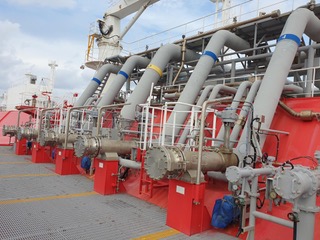
- What new piping, containment, ventilation, detection and drainage arrangements are required?
- Which existing materials, seals, valves, pumps and instruments are compatible with the intended service?
- How will hazardous-area and electrical requirements affect the proposed arrangement?
- What fire-protection and emergency-response changes are required by the applicable rules and approvals?
- Can major components and pipe spools be prefabricated to protect the installation schedule?
- What must be approved by class, flag, engine maker and other stakeholders before fabrication begins?
The hidden constraint is often space
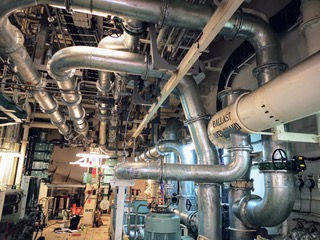
Existing ships were not designed with an empty machinery space waiting for a new fuel system. Routing a new line may conflict with escape routes, maintenance envelopes, existing cable trays or structural members. Tank placement can affect cargo capacity and ship arrangement. Early survey work is therefore not paperwork; it is risk reduction.
Do not confuse readiness with approval
Terms such as 'ready' and 'capable' can mean different things in commercial discussions. A credible project defines exactly what is installed now, what is reserved for later, what approvals are included and what future work remains. The vessel-specific class and statutory requirements govern the actual conversion.
Design the installation window, not only the system
A technically sound design can still become an expensive project if procurement, prefabrication, access, hot work, testing and commissioning are not sequenced around the vessel's schedule. Retrofit engineering is successful when the system and the execution plan are designed together.