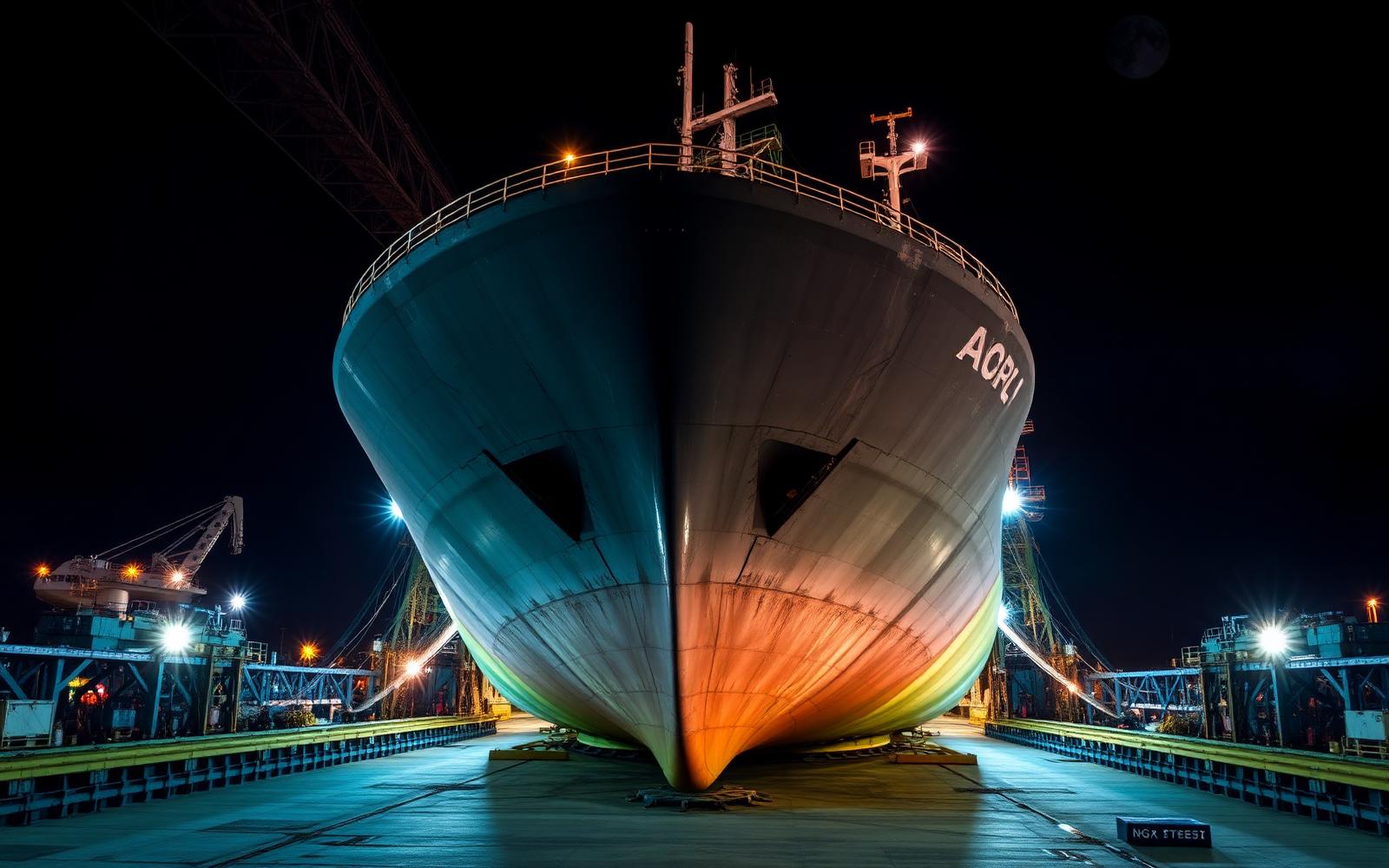
Dry dock compresses months of maintenance ambition into a short, expensive window. The projects that run smoothly usually have one thing in common: measurements, materials, approvals and work boundaries were clarified before the vessel crossed the dock gate.
Ten scopes to challenge early
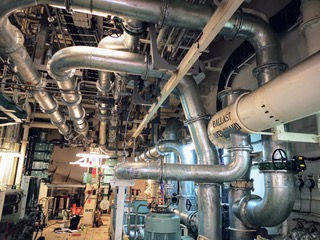
- Sea-water and ballast piping renewals supported by condition history and thickness data.
- Recurring leaks and temporary repairs that need permanent renewal.
- Steel insert plates, foundations, supports and access structures requiring fabrication.
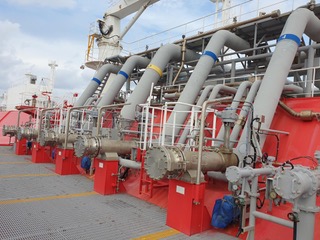
- Valve overhauls and replacements where exact specification and face-to-face dimensions matter.
- Overboard, sea-chest and underwater-related work that cannot be efficiently completed afloat.
- Pipe spools that can be measured, engineered and prefabricated before docking.
- Hot-work packages requiring gas-free conditions, staging or coordinated fire-watch arrangements.
- Equipment removals where lifting routes, temporary openings and reinstatement need planning.
- Pressure tests, NDT, inspections and class hold points that must fit the execution sequence.
- Commissioning and reinstatement tasks that are easy to underestimate at the end of the schedule.
Build the schedule backwards from testing
Teams often schedule fabrication first and leave testing as a final line item. A more robust approach starts with the conditions needed for pressure testing, NDT, class inspection and system return-to-service, then works backwards. That exposes dependencies before they become late surprises.
Material readiness is schedule readiness
Correct grade, schedule, flange standard, valve specification, welding consumables and certificates are not procurement details once the ship is in dock — they are critical-path items. Pre-verification protects both quality and time.
Protect a contingency, but do not use it as a plan
Every dry dock discovers something. A sensible contingency is necessary, but it should absorb genuine findings rather than work that could have been surveyed months earlier. The objective is simple: arrive with fewer unknowns than the vessel left the previous voyage with.