
FuelEU Maritime started applying in 2025 and sets progressively tighter limits on the annual greenhouse-gas intensity of energy used by ships in scope. The first target is a 2% reduction from the regulatory reference level in 2025, tightening over time. Unlike a simple tank-to-wake CO2 metric, FuelEU works on a well-to-wake basis and includes carbon dioxide, methane and nitrous oxide across the fuel lifecycle.
What changes onboard
- Fuel choice becomes more closely connected to verified energy and emissions data.
- Fuel-system condition, segregation, measurement and documentation become more important when different energy sources are used.
- Container and passenger ships need to plan for zero-emission-at-berth requirements, including shore power or qualifying alternatives, on the applicable timetable.
- Energy efficiency matters because the cleanest unit of energy is still the one the vessel does not need to consume.
- Technical changes must be evaluated together with safety, class, flag, maker and operational requirements.
What does not change
Good marine engineering is still good marine engineering. FuelEU does not make pressure testing optional, does not replace approved procedures, and does not remove the need to understand materials, compatibility, ventilation, fire safety, electrical load or maintainability. A compliance target cannot compensate for a technically weak retrofit.
Why technical teams should join the conversation early
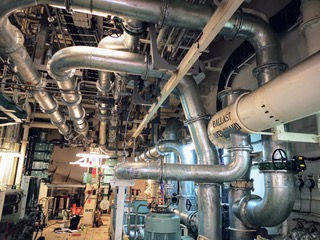
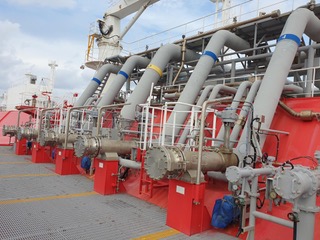
A fuel strategy chosen on a spreadsheet can create real constraints onboard: tank volume, piping routes, hazardous-area implications, equipment replacement, crew workload and maintenance access. Technical input is most valuable before a commercial pathway is locked in, not after equipment has been ordered.
The near-term priority
For many existing vessels, the immediate task is not a dramatic conversion. It is to understand the vessel's energy baseline, remove avoidable losses, assess realistic fuel and shore-power options, and make future retrofits easier rather than harder. FuelEU compliance should be treated as a fleet-planning discipline, not a last-minute fuel-purchasing exercise.